
-

Try advanced features for free
Get Smarter responses, upload files, create images, and more by logging in.
Log In Sign up & Earn $5

What Is Multimodal AI: A Clear and Practical Breakdown
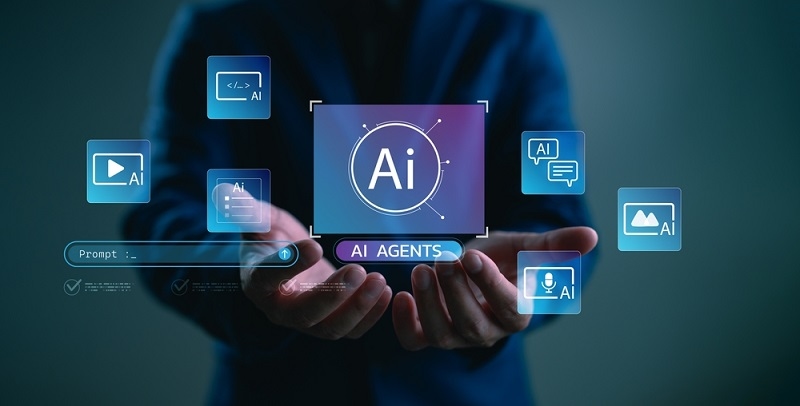
Artificial intelligence is moving from text-only outputs to a smarter version that understands several types of data at once. Instead of feeding a system only words and waiting for a response, you can now upload images, voice notes, videos, graphs, and mixed input. The system will read it, understand it, and respond. This shift is happening because of multimodal artificial intelligence.
If the term sounds new, think of multimodal AI as an upgrade. Old AI relied on text instructions. Multimodal systems understand the world like humans do. You look at something, listen, read, connect context, and then respond. Machines can now do the same.
This article breaks down what is multimodal AI, how it works, and the real benefits of multimodal AI for business and everyday users.
What Is Multimodal AI
Multimodal AI or multimodal artificial intelligence is the ability of a machine to understand and combine different types of input. These inputs can be text, audio, visuals, or video. The difference between old systems and multimodal artificial intelligence is simple. Earlier AI models were trained to understand only one format. If you gave them text, they responded in text. If you showed them an image, they could label it but not have a conversation based on it.
Now the system can do all of it. You can upload a picture of a product and ask for a marketing caption. You can paste data from a spreadsheet and tell the system to summarize trends. You can show a chart and ask for a prediction.
You can speak naturally. You do not need complicated prompts or technical terms.
In short, multimodal AI understands your intent.
Examples of real-world use:
- Upload a screenshot of code and ask what the error means
- Show a picture of ingredients and ask for a recipe
- Share a diagram and ask for a breakdown
Humans process multiple senses at once. Multimodal artificial intelligence works on the same logic.
How Does Multimodal AI Work
To understand how does multimodal AI work, imagine this simple flow.
- You give input
It could be text, image, audio, or video. - The system breaks the input into smaller pieces
It reads objects in the image, detects tone in the audio, and identifies meaning in the text. - It connects all these pieces
This is the core part. The machine links the information to form context. This is why multimodal artificial intelligence gives relevant output. - It responds
You get the output in your chosen form. It could be text, an image, a video explanation, or an audio response.
Multimodal artificial intelligence is not guessing. It uses combined data to reach clarity. This is why search, customer support, content creation, and automation are shifting to this technology.
Top Pick: How to Search with AI for Best Results: Generative AI Guide
Why Multimodal AI Is A Big Shift
Machines are moving closer to how humans perceive information. People do not separate what they see from what they hear. We absorb everything together. Now, machines can also blend formats. This directly answers the question what is multimodal ai and shows why the shift matters.
Earlier:
- AI handled only text
- Output lacked emotional or visual context
- You had to type clear sentences to get results
Now:
- AI understands multiple data types at the same time
- You can talk to technology naturally
- The output feels specific to your problem
Multimodal artificial intelligence makes technology more useful and more practical.
Benefits of Multimodal AI
Once you understand how multimodal AI works, the benefits of multimodal AI become obvious.
1. Fast and accurate decisions
When the system analyzes visuals, audio, and text together, it reaches a better conclusion.
Example: In healthcare, doctors can input patient history and medical scans. Multimodal artificial intelligence can detect patterns faster than manual comparison.
2. Better productivity
Instead of switching between tools, everything happens in one place.
Example: You upload a PDF, highlight a section, and ask for insights. The system reads the document, summarizes it, and generates ready-to-use content.
3. Natural communication
People do not think in one format. Conversations involve visuals, tone, and text. With multimodal artificial intelligence, you can talk to tech like you talk to a person.
4. Automation and hands-free work
You can point your camera at a product and ask for a caption.
You can play a recording and ask for meeting minutes.
You can upload project files and ask for a report.
The benefits of multimodal ai unlock more possibilities than traditional text-only systems ever could.
Real-World Use Cases
Here are industries already using multimodal artificial intelligence.
Ecommerce
- Generate product descriptions from product photos
- Auto-categorize items based on image and text
- Create ad creatives using visuals and prompt-based instructions
Education
- Convert handwritten notes into text.
- Turn diagrams into explanations.
- Build quizzes from uploaded textbooks.
Productivity and workplace use
- Analyze charts.
- Summarize reports.
- Extract insights from video recordings.
Media and marketing
- Content creation based on visuals and context
- Video script drafts based on audio and image inputs
In every case, the core idea of what is multimodal ai stays constant. One system handles multiple formats and delivers one clear result.
Don't Miss: How to Use AI for Project Management for Proven Success
Multimodal AI vs Traditional AI
Traditional AI waits for instructions. Multimodal artificial intelligence understands intent.
| Feature | Traditional AI | Multimodal AI |
| Input | One format only | Multiple formats together |
| Output | Limited | Flexible |
| Context | Partial understanding | Full understanding |
| User experience | Requires exact prompts | Natural conversation |
Challenges
Multimodal systems still face challenges. They require:
- Massive amounts of training data
- High computing power
- Privacy controls, especially for images and voice
As companies improve their infrastructure, these limitations will be reduced.
Future of Multimodal AI
The direction is clear. Multimodal will become the new standard. The shift is not about replacing text-only models. It is about improving accuracy. In the next few years, multimodal artificial intelligence will handle:
- Real-time translations from video calls
- Shopping based on photos
- Voice-activated workflows
Technology is moving from command-based to context-based.
More to Discover: How to Use AI to Learn Anything Faster and Master Skills
Final Thoughts
If you can explain your problem better using images, voice, or mixed input, the system should understand. That is the purpose of multimodal artificial intelligence. It combines formats, recognizes context, and gives useful results.
Once you understand how does multimodal AI work, the benefits of multimodal ai become obvious, it shortens tasks. It reduces effort. It gives clarity.
The world is visual. Humans think in pictures and emotions.
Now technology can too.

What can I help you with?
Unlock more with ClaudGPTPlus
ClaudGPTPlus gives you higher limits, smarter models, and more.