
-

Try advanced features for free
Get Smarter responses, upload files, create images, and more by logging in.
Log In Sign up & Earn $5

How to Write Prompts for Claud That Get Better Results

Writing a good prompt isn't about using fancy words or sounding technical. It's about being clear, specific, and intentional. Once you understand how Claud GPT processes information, you can make it deliver exactly what you need, every single time.
This guide breaks down practical steps, Claud GPT tips and tricks, and a working Claud GPT prompts guide you can use in your day-to-day work. It'll also show you how to get better results from Claud GPT and how to use Claud GPT effectively without wasting time rewriting.
Why the Prompt Makes or Breaks the Output
Claud GPT isn't guessing. It's following your lead. A vague prompt gives you a vague reply. A clear one gets you structured, useful work that matches your goal.
Imagine you're hiring a writer. You wouldn't say, "Write something about our product." You'd tell them who the reader is, what message to focus on, and what tone to keep. Claud GPT works the same way.
When you write instructions that tell it what to do, who it's writing for, and what you expect in return, it performs like a pro. That's the foundation of how to write prompts for Claud GPT.
The right prompt sets the context. It gives Claud GPT direction. It makes your request measurable instead of open-ended.
Discover More: How to Use AI to Learn Anything Faster and Master Skills
How to Write Prompts for Claud GPT
Here's a simple, proven structure that works. You can adapt this for writing, research, summaries, or analysis.
1. Start with the goal
Begin with the ultimate aim, not with what Claud GPT should "attempt." Get straight to the point.
Example:
"Create a blog post of 600 words that will explain our new product aimed at small business owners in the USA. Maintain a conversational style and include three main benefits."
That single sentence gives Claud GPT purpose, format, audience, and tone.
2. Add context
Give Claud GPT the target reader and the reason for the writing. If necessary, provide the background information. It is beneficial for Claud GPT to be able to relate and be grounded. Example:
"Our audience is first-time entrepreneurs. They prefer simple, relatable content with real examples."
The context provided is good and it results in responses that are not generic but fit your voice.
3. Assign a role
You can change the depth and tone of Claud GPT's work by giving it a role. For instance:
"You are a senior copywriter for a tech startup." "You are an analyst summarizing survey results for a business report."
A defined role sets the perspective and makes the writing consistent.
4. Use structure
Claud GPT reads structure well. Break the prompt into sections. Something like this works perfectly: Summarize the key points from the attached report. Marketing team preparing for Q4 planning. Professional but simple.
This format helps Claud GPT see where each part belongs.
5. Set boundaries
If you need a specific word count, format, or tone, spell it out. Don't leave it open. Example:
"Write in under 700 words. Use bullet points for the main ideas. Avoid technical terms."
Boundaries save you from editing later.
6. Add examples
A short example of your tone or phrasing goes a long way.
"Here's the style I like: short sentences, direct language, active voice."
Claud GPT picks up on that instantly.
7. Refine when needed
If the first version isn't right, guide Claud GPT to adjust.
"Make it more conversational." "Add a stronger opening." "Cut down the ending."
Prompting is like shaping clay. Each round gets closer to what you want.
Claud GPT Tips and Tricks
Once you know the basics of how to write prompts for Claud GPT, a few small habits can make your results noticeably better.
1. Ask it to think before it answers. Say, "Plan your reasoning before writing." It helps Claud GPT build logic and depth.
2. Keep the final instruction last. If your prompt has long data or context, place your main instruction at the end. Claud GPT gives extra attention to what appears last.
3. Use plain language. Avoid filler phrases and unnecessary detail. Simple instructions always outperform clever ones.
4. Split large requests. Instead of one giant prompt, break it into steps. First ask for an outline, then expand each section. This keeps results cleaner.
5. Reuse what works. Save your best prompts. Create versions for writing, summarizing, planning, or analysis. Reusing tested formats keeps results consistent and saves time.
These are straightforward Claud GPT tips and tricks, but they consistently improve accuracy and tone.
Getting Better Results from Claud GPT
If your outputs still feel off, check your prompt. Weak prompts are usually too short or too vague. Better prompts give Claud GPT a clear mission and limits.
To start getting better results from Claud GPT, use this checklist:
- Define the task in one clear sentence.
- Mention who the reader or end user is.
- Select a style and command Claud GPT to maintain it.
- Show him the examples of the kind of writing you want.
- Take it through the process of reviewing and refining until it feels perfect.
If you use this every time, you will notice that Claud GPT will become quicker at adapting to your requirements. He will soon be writing in your preferred tone and structure without being told.
How to Use Claud GPT Effectively in Real Work
Claud GPT can do more than write. You can use it to brainstorm, summarize, or analyze. The trick is to shape prompts that match the task.
For writing:
- Always include tone and format.
- Keep examples short but clear.
- Ask Claud GPT to check flow and readability before finishing.
For analysis:
- Put your data in separate sections.
- Ask Claud GPT to summarize findings and point out trends.
- Include a line like "Show reasoning before final answer" to improve accuracy.
For planning:
- Set precise limits. "Five ideas," "Budget of less than $500," or "Timeline of one month."
- Ask it to prioritize or assess results by their feasibility.
These measures guarantee that your prompts will yield outputs that need no further processing.
Mistakes That Hold People Back
A few common habits stop people from getting full value out of Claud GPT:
- Writing short, vague prompts.
- Forgetting to define tone or structure.
- Mixing too many instructions in one line.
- Not giving examples or boundaries.
- Expecting Claud GPT to guess your style.
Once you cut out these mistakes, you'll see a big jump in relevance and quality.
Final Takeaway
Knowing how to write prompts for Claud GPT is a skill that pays off immediately. You don't need complicated instructions or long setups. You just need clarity, context, and control.
Follow this Claud GPT prompts guide, keep applying the Claud GPT tips and tricks, and make small refinements after each use. You'll start getting better results from Claud GPT without extra effort.
The next time you open it, take a minute to plan your prompt before typing. Give Claud GPT a role, a purpose, and a boundary. The difference will surprise you. That's how you use Claud GPT effectively and make it go the extra mile for you.



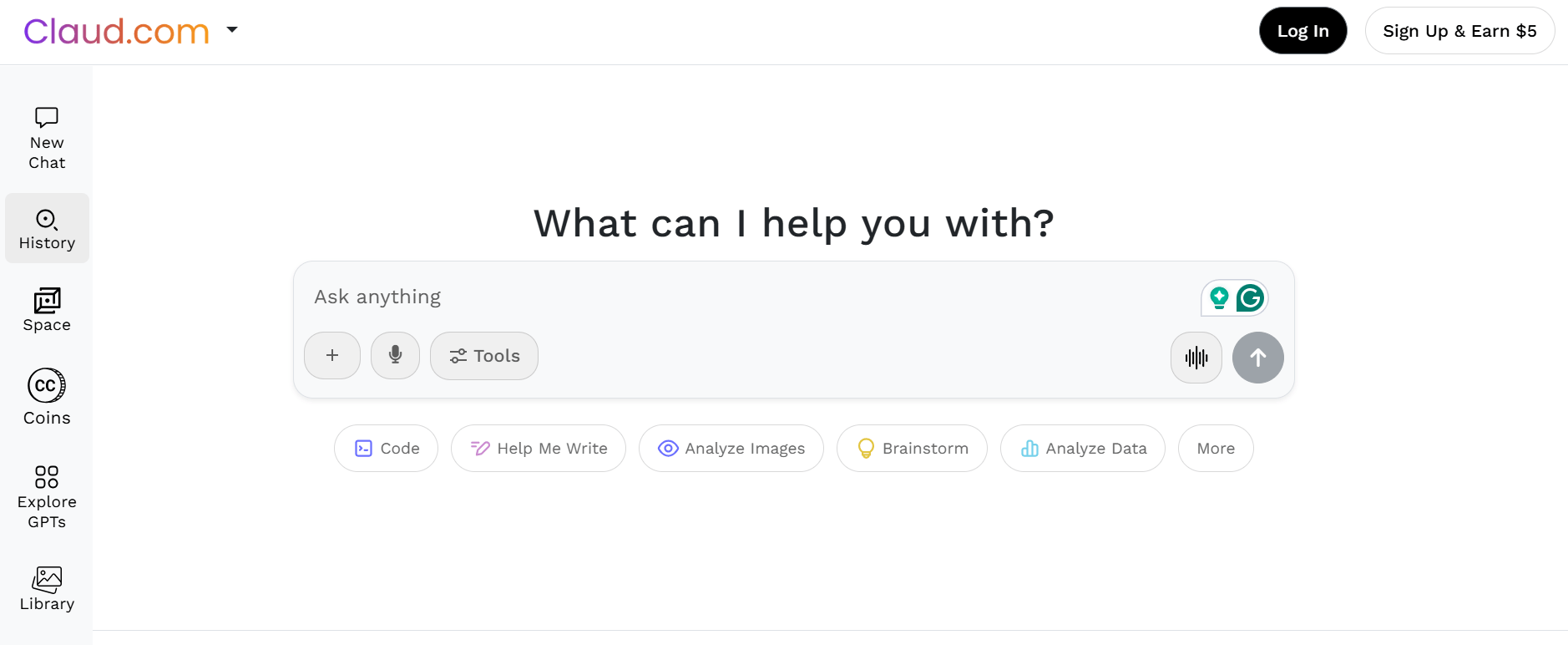
What can I help you with?
Unlock more with ClaudGPTPlus
ClaudGPTPlus gives you higher limits, smarter models, and more.